The Atari 8-bit family is a series of 8-bit home computers introduced by Atari, Inc. in 1979 and manufactured until 1992. All of the machines in the family are technically similar and differ primarily in packaging. They are based on the MOS Technology 6502 CPU running at 1.79 MHz, and were the first home computers designed with custom co-processor chips. This architecture enabled graphics and sound capabilities that were more advanced than contemporary machines like the Apple II or Commodore PET, and gaming on the platform was a major draw. Star Raiders is considered the platform’s killer app.
The original Atari 400 and 800 models were released with a series of plug-n-play peripherals that used Atari’s “SIO” serial bus system, an early analog of the modern USB. To meet stringent FCC requirements, the early machines were completely enclosed in a solid cast aluminum block, which made them physically robust but expensive to produce. Over the following decade, the 400 and 800 were replaced by the XL series, then the XE. All of the 8-bit family models have the same CPU and coprocessors, running at the same clock speed, but the XL and XE are much lighter in construction and were less expensive to build. The 130XE, released in 1985, increased the memory to 128K of bank-switched RAM.
The Atari 8-bit computer line sold two million units during its major production run between late 1979 and mid-1985. They were not only sold through dedicated computer retailers, but department stores such as Sears, using an in-store demo to attract customers. The primary competition in the worldwide market was, starting in 1982, the Commodore 64. This was the first computer to offer similar graphics performance, and went on to be the best selling computer of the 8-bit era. Atari also found a strong market in Eastern Europe and had something of a renaissance in the early 1990s as these countries joined a uniting Europe.
On January 1, 1992, Atari Corp. officially dropped all remaining support of the 8-bit line.
* Information provided by Wikipedia
| Manufacturer | Atari, Inc. (1979–1984) |
| Atari Corporation (1984–1992) | |
| Type | Home computer |
| Release date | November 1979 |
| Introductory price | US$550 (Atari 400, 1979) |
| US$1,000 (Atari 800, 1979) | |
| Discontinued | January 1992 |
| Units sold | 4 million |
| Operating system | Atari 8-bit OS |
| CPU | MOS Technology 6502B |
| @ 1.79 MHz (NTSC version) | |
| @ 1.77 MHz (PAL version) | |
| Graphics | 384 pixels per TV line |
| 256 colors | |
| 8× sprites | |
| raster interrupts | |
| Sound | 4× oscillators with noise mixing |
| or 2× AM digital | |
| Connectivity | 2× (or 4×) Joystick |
| 1× Atari SIO | |
| 1× (or 0×) PBI | |
| 1× (or 0×) Composite Monitor | |
| 1× (or 2×) ROM cartridge |
Showing 19–27 of 35 resultsSorted by popularity
-

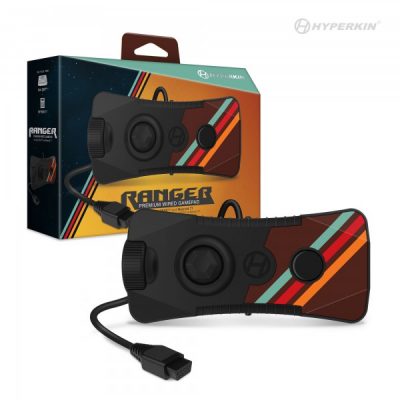
Ranger Premium Wired Gamepad for Atari 2600/ RetroN 77
$24.99 Add to cart -
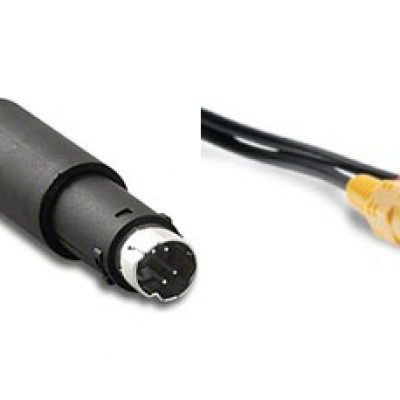
S-Video to Chroma / Luma RCA Cable
Price range: $14.99 through $16.99 Select Option -
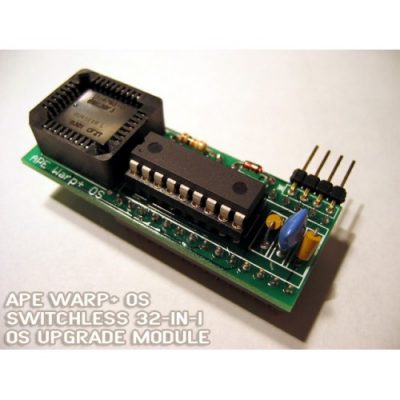
Atari XL/XE APE Warp+ OS 32-in-1 Switchless Upgrade Module
$49.99 Add to cart -
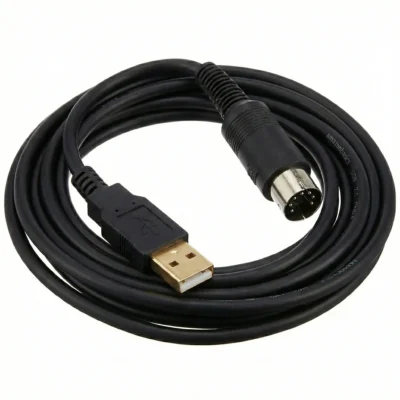
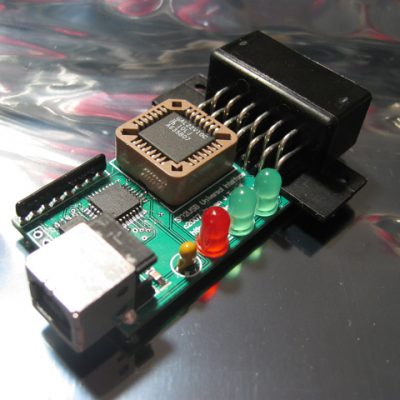
SIO2PC Universal Interface USB Interface w/ SIO JACK
$59.99 Add to cart -

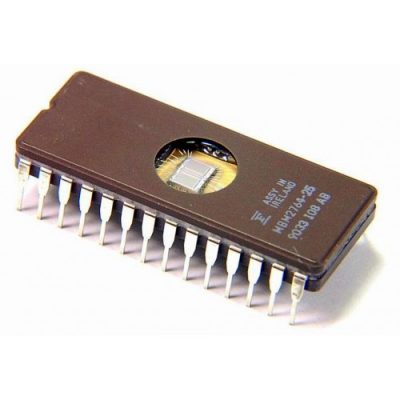
Atari XF551 Disk Drive ROM Upgrade
$9.99 Select Option -
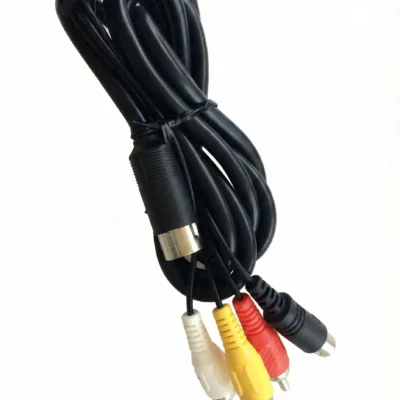
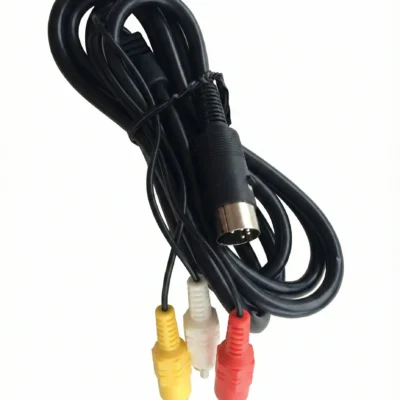
Atari XL/XE 5-Pin DIN to Commodore 1902A AV Cable
$13.99 Select Option -
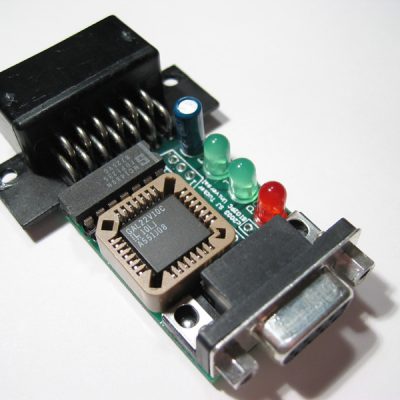
SIO2PC Universal Interface Serial Interface w/ SIO JACK
$34.99 Add to cart -
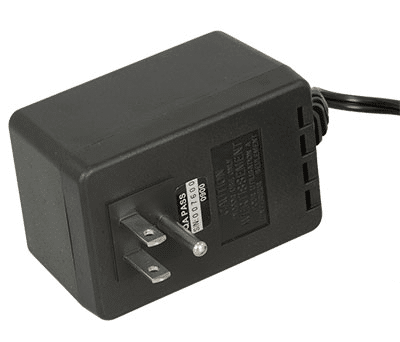
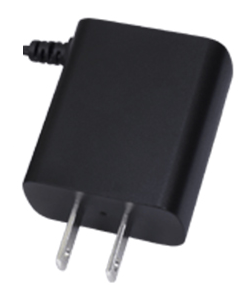
Atari XL/XE 2.4A Amp Power Adapter
$19.99 Add to cart -

MyIDE-II CompactFlash Interface for the Atari XL/XE
$69.99 Add to cart